
Off-Lead or On-Lead? How to Decide (and Train Reliable Recall)
A practical framework for choosing the right option and building a recall you can trust
The off-lead question comes up on almost every walk. Some dogs can be trusted in almost any situation. Others need the security of a lead for life. Most fall somewhere in between. The goal isn’t off-lead at all costs – it’s making the right choice for that dog, on that day, in that place.
The decision checklist
Before you unclip, run through these points. If any answer gives you pause, keep the lead on.
- Is the area legally and safely off-lead?
- Does your dog have solid recall around distractions?
- Are there other dogs, people or wildlife that could trigger a chase?
- Is your dog calm and focused today?
- Do you have a backup plan if recall fails?
Building a recall that works in the real world
Start in a low-distraction place. Call your dog once in a happy voice, then reward heavily when they come. Gradually add distance and mild distractions. Only move to busier environments when the dog is succeeding most of the time. A long line is your best friend during this stage.
Common recall killers
Avoid calling your dog only when something fun is ending, repeating the cue when they ignore you, or punishing them when they finally return. Make coming back the best thing that happens.
When on-lead is the kinder choice
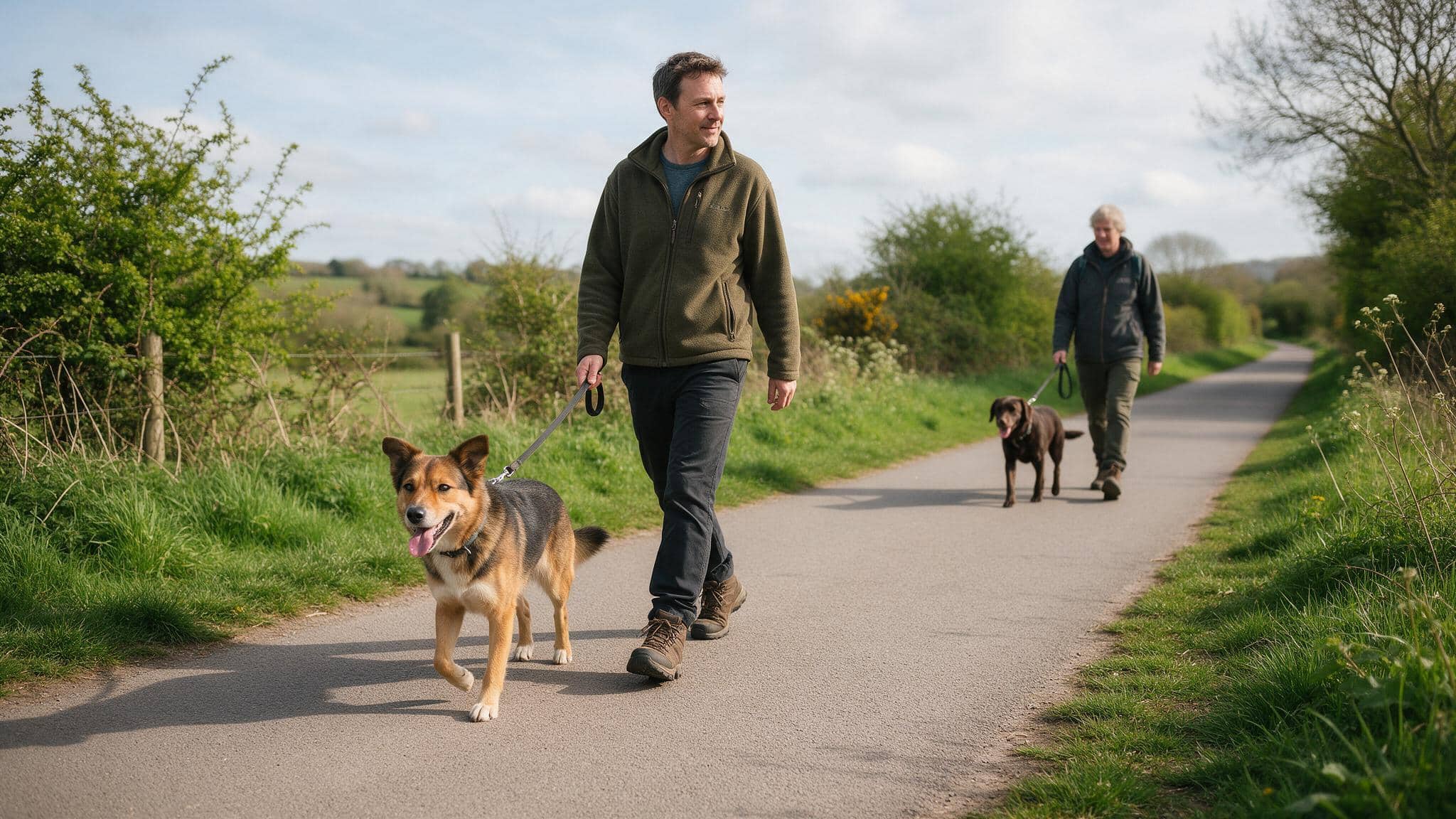
Some dogs will never be reliable off-lead around livestock, cyclists or other dogs – and that’s fine. A well-fitted harness and comfortable lead still allow plenty of sniffing and exploration.
Long lines – the middle ground
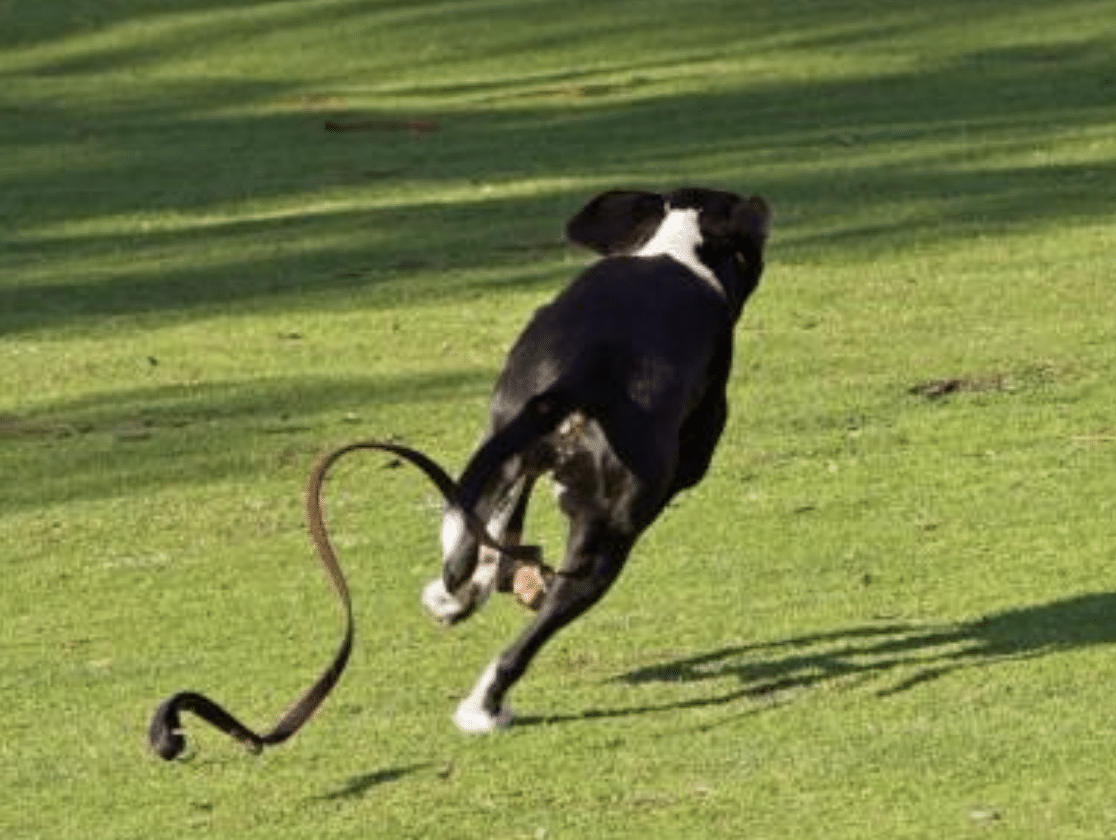
A 5–10 metre training line gives most of the freedom of being off-lead with a safety net. Use it in open spaces while you’re still proofing recall.