
How to Walk an Older or Senior Dog Safely
Gentle adjustments that keep your older dog comfortable, confident and still enjoying the outdoors
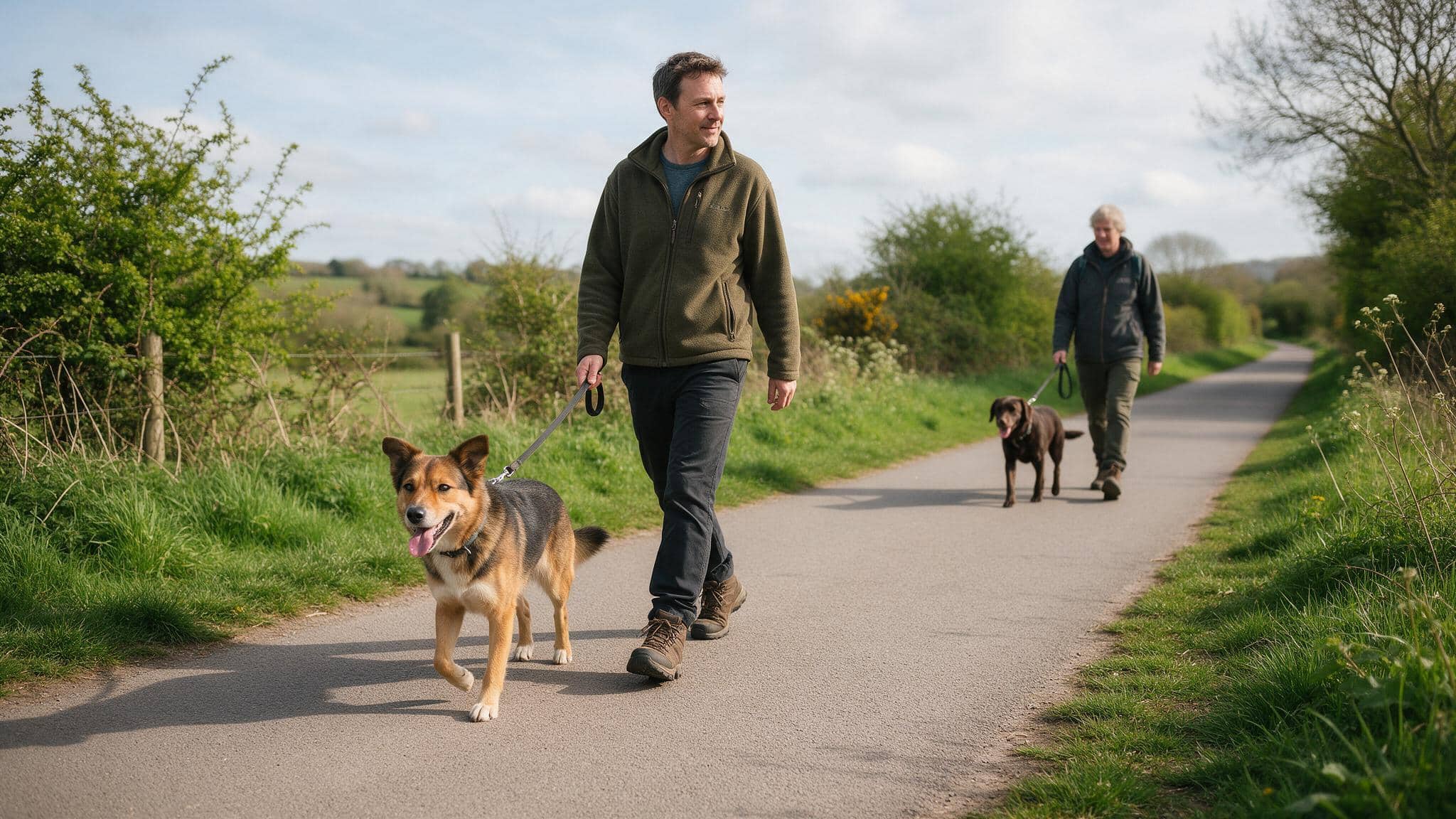
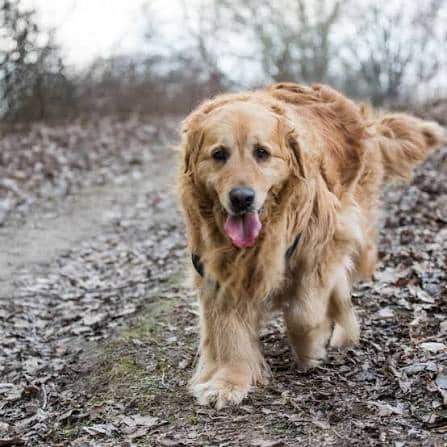
Older dogs still need and love their walks, but the way we do them needs to change. Joints stiffen, senses dull a little, and recovery takes longer. With a few simple adjustments you can keep walks enjoyable and safe for years to come. Here are the practical changes that make the biggest difference for senior dogs.
Shorten the distance, not the frequency
Most older dogs do better with two or three shorter walks than one long one. Aim for quality over quantity. A 20–30 minute gentle stroll with sniffing time is often more valuable than a forced longer route. Watch how your dog recovers afterwards – if they are still stiff or tired the next morning, the previous walk was probably too much.
Choose softer surfaces whenever possible
Hard pavements and steep hills put extra pressure on ageing joints. Grass, woodland paths and quiet country lanes are kinder. In Wales we are lucky to have plenty of these options. If you have to use pavements, stick to the shady side and avoid long stretches of concrete.
Watch the weather more carefully
Senior dogs feel the cold and heat more than younger ones. On cold or wet days a light coat can help, especially for short-haired or thin dogs. In warmer weather walk early or late and carry water. Never push through if your dog starts lagging or panting heavily.
Support joints and muscles
A well-fitted harness is usually kinder than a collar for older dogs because it spreads pressure. Some owners also use a supportive sling for dogs that struggle with steps or steep ground. Speak to your vet about joint supplements – many seniors benefit from them, especially in the colder months.
Know the warning signs
Stop the walk and head home if you notice sudden reluctance to move, limping that wasn’t there at the start, excessive panting or trembling, or your dog looking spaced out or disoriented. These can be signs of pain, overheating or something more serious.
Keep their mind busy even when the body slows
Sniffing, gentle exploration and short training moments still matter. A slower walk with lots of “go sniff” time is often more satisfying for an older dog than a brisk march. You can also add simple scent games at home on rest days so they still feel engaged.