
Sniffaris vs Exercise Walks – Why Letting Your Dog Sniff Matters
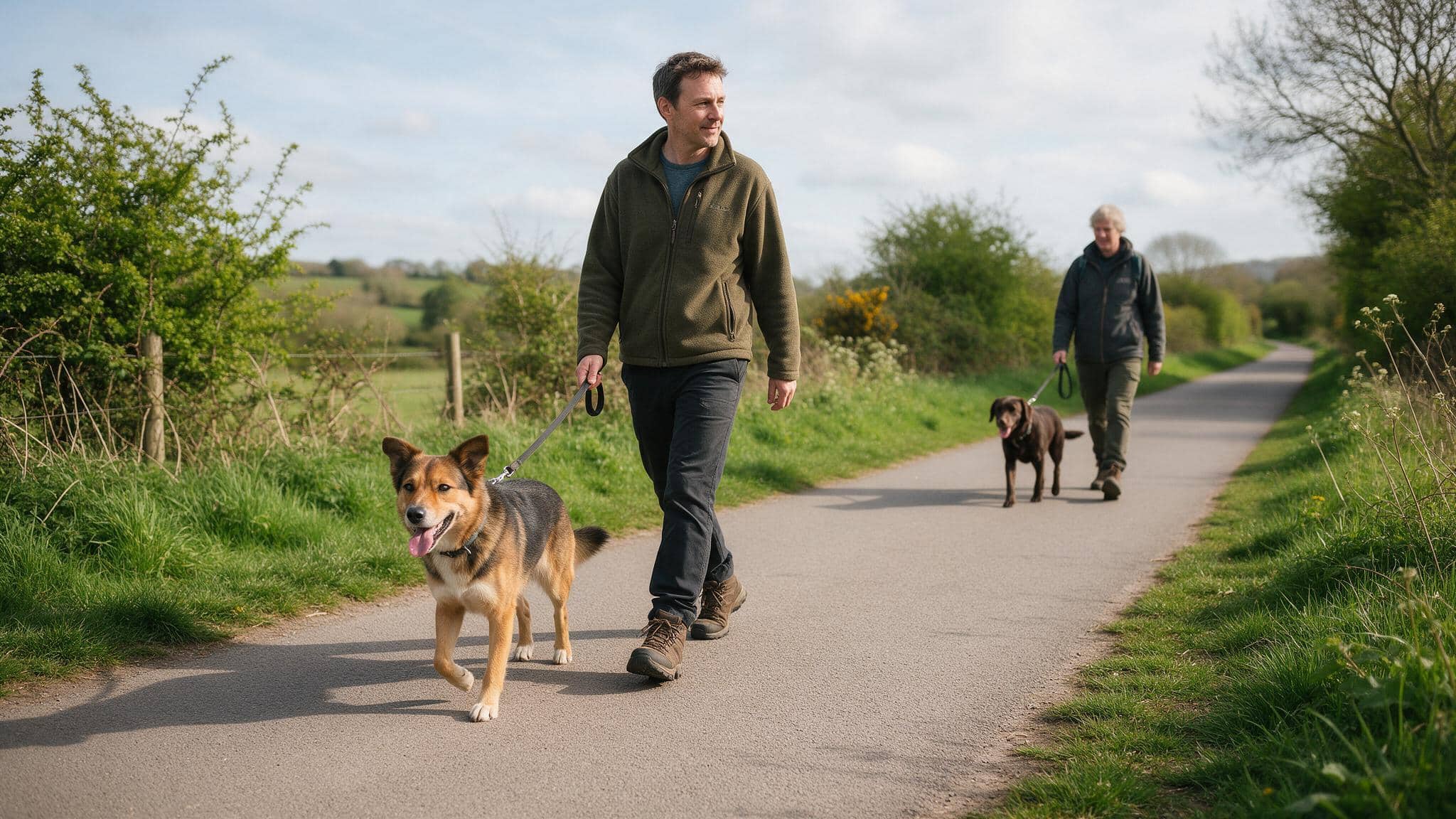
If you wait for a dry day in Wales to walk the dog, you'll be waiting a while. The good news is that most dogs couldn't care less about the rain — and with the right kit and a bit of know-how, neither will you. Here's how to make wet, muddy walks work for both of you.
Two Different Kinds of Walk
Not every walk needs to be about covering distance or burning energy. Dogs experience the world primarily through their noses, so walks that allow plenty of sniffing (often called sniffaris) provide valuable mental exercise that a brisk power walk cannot replace.
What a Sniffari Actually Looks Like
On a sniffari the dog sets the pace. You follow with a longer line where safe, and let them investigate scents thoroughly. The goal is exploration rather than steps. Ten to twenty minutes of quality sniffing can tire a dog mentally as much as a much longer fast walk.
Benefits of Sniffing Time
Sniffing lowers stress, builds confidence, and satisfies natural instincts. Dogs that get regular opportunities to use their nose often settle better at home and show fewer frustration behaviours. It is especially useful for reactive, anxious or high-energy dogs.
Balancing Both Types of Walk
Most dogs benefit from a mix. Some days a faster exercise walk is ideal; other days a slower, nose-led outing is better. Observing your dog’s energy and behaviour helps you decide which style they need that day.
How We Approach Walks at Pawsome Wales
We tailor each outing to the individual dog. Some clients specifically request enrichment-focused walks, while others need a good energy burn. Combining both approaches keeps dogs physically fit and mentally content.