
Dog Walking Etiquette: 12 Rules for Polite and Safer Walks
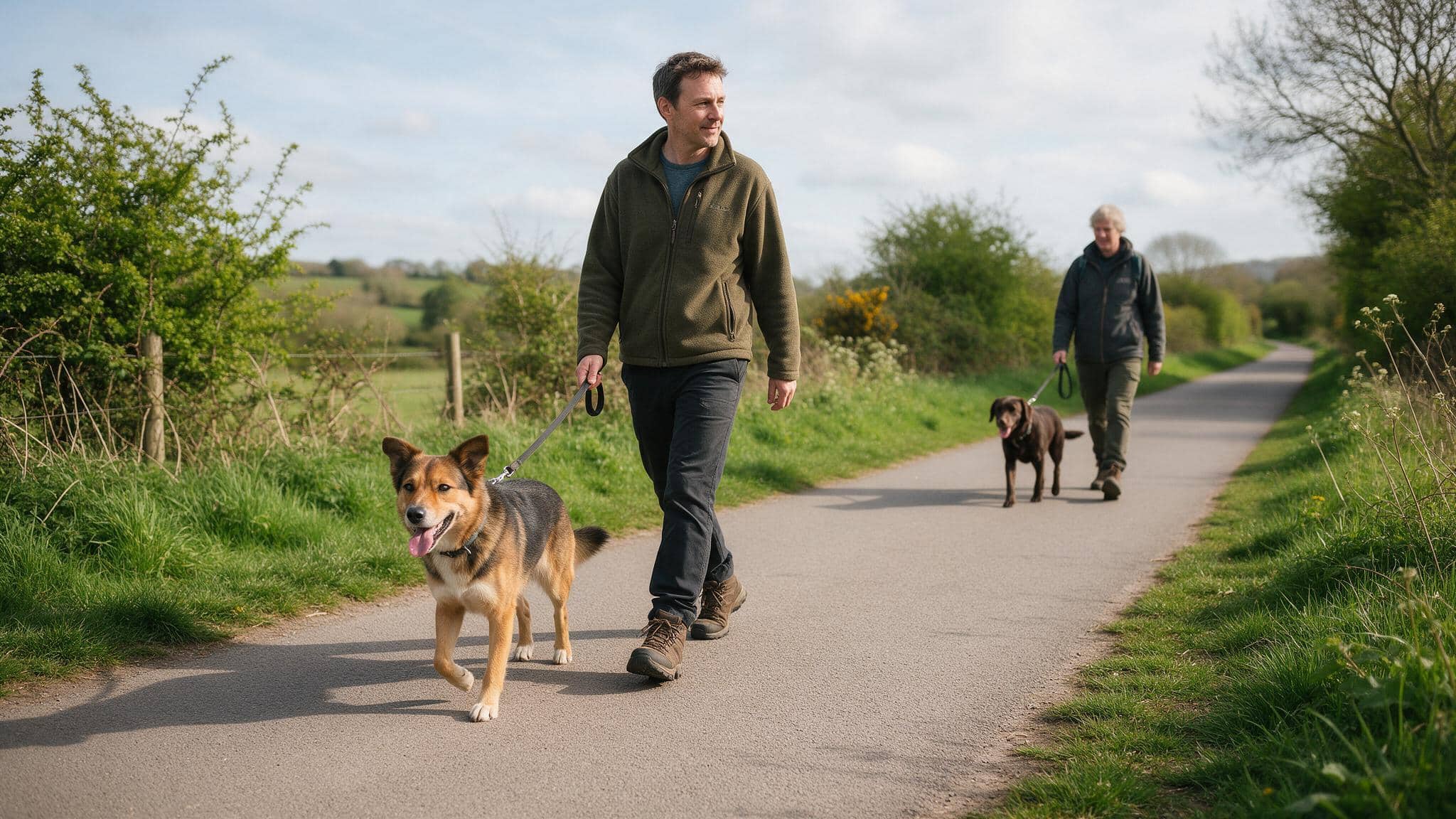
Taking your dog for a walk should be enjoyable for everyone, including other dog owners, walkers, cyclists, runners, children and local wildlife. Good dog-walking etiquette is about being aware of your surroundings, keeping your dog under control and respecting the people and animals you encounter.
Why Dog-Walking Etiquette Matters
A friendly dog may want to greet everyone it sees, but not every person or animal will feel comfortable around dogs. Some people may be nervous, allergic or frightened, while another dog may be anxious, recovering from an injury or receiving training. Responsible etiquette helps prevent stressful encounters and allows everyone to enjoy shared paths, parks and countryside routes.
Keep Your Dog Under Effective Control
You should always be confident that you can control your dog, whether it is walking beside you on a lead or moving freely in a suitable off-lead area. If your dog is off the lead, keep it within sight and make sure it returns promptly when called. The Countryside Code advises owners to keep dogs on a lead or in sight and under control, particularly around wildlife, livestock and other people.
Ask Before Allowing Your Dog to Say Hello
Never assume that another dog or person wants to be approached. Before allowing your dog to greet someone, ask first and pay attention to their response. A person who steps aside, shortens their dog’s lead or says no should be given plenty of space. The same applies to children, as even a gentle dog can accidentally knock over a young child or make them feel frightened.
Give Other Dogs Space
A dog that is hiding behind its owner, pulling away, barking, growling or repeatedly looking back may be asking for distance. If another dog is on a lead, keep your own dog close and walk past calmly rather than allowing an unexpected greeting. A simple request for space can prevent an uncomfortable encounter.
Be Considerate Around Walkers, Runners and Cyclists
Keep your dog close when approaching other path users and move to one side where possible. If a cyclist or runner is coming from behind, call your dog back before they reach you. Avoid allowing your dog to stretch across the entire path on a long lead, as this can create a trip hazard.
Use a Lead Near Livestock and Horses
Dogs can frighten, chase or injure livestock even when they appear friendly. Put your dog on a short lead before entering a field containing animals and keep a safe distance. If cattle or horses approach, stay calm, avoid blocking their route and follow local signs. If necessary, release the lead only when doing so is the safest option, as a dog may pull you over if livestock react.
Respect Wildlife and Nature Reserves
Keep dogs away from nesting birds, young animals and sensitive habitats. Follow signs at nature reserves, beaches, parks and woodland sites because some areas may have seasonal restrictions or require dogs to remain on leads. Do not allow your dog to chase wildlife or run through planted areas.
Always Pick Up After Your Dog
Carry enough poo bags for the whole walk and take filled bags to a proper bin. Leaving a bag beside a path is still littering, even if you intend to collect it later. In areas without bins, take the bag home unless signs provide another arrangement.
Read Local Signs and Lead Restrictions
Rules can differ between parks, beaches, housing estates and countryside routes. Look for signs explaining where dogs may go, whether leads are required and whether certain areas are closed at particular times of year. Checking restrictions before your walk helps avoid complaints and possible enforcement action.
Keep Long Leads Safe on Shared Paths
Long lines can be useful for recall training, but they should not be allowed to cross paths or wrap around other people. Shorten the line when approaching pedestrians, cyclists, gates and narrow sections. Never attach a long line where it could create a serious trip hazard.
Teach Useful Walking Signals
A reliable recall, a calm wait and a cue such as leave it can make everyday walks much safer. Practise these skills in quiet areas first and reward your dog for returning, walking past distractions and checking in with you. Do not rely on shouting once your dog is already running towards a person or animal.