
Dog Walking at Night: How to Keep Your Dog Safe and Visible
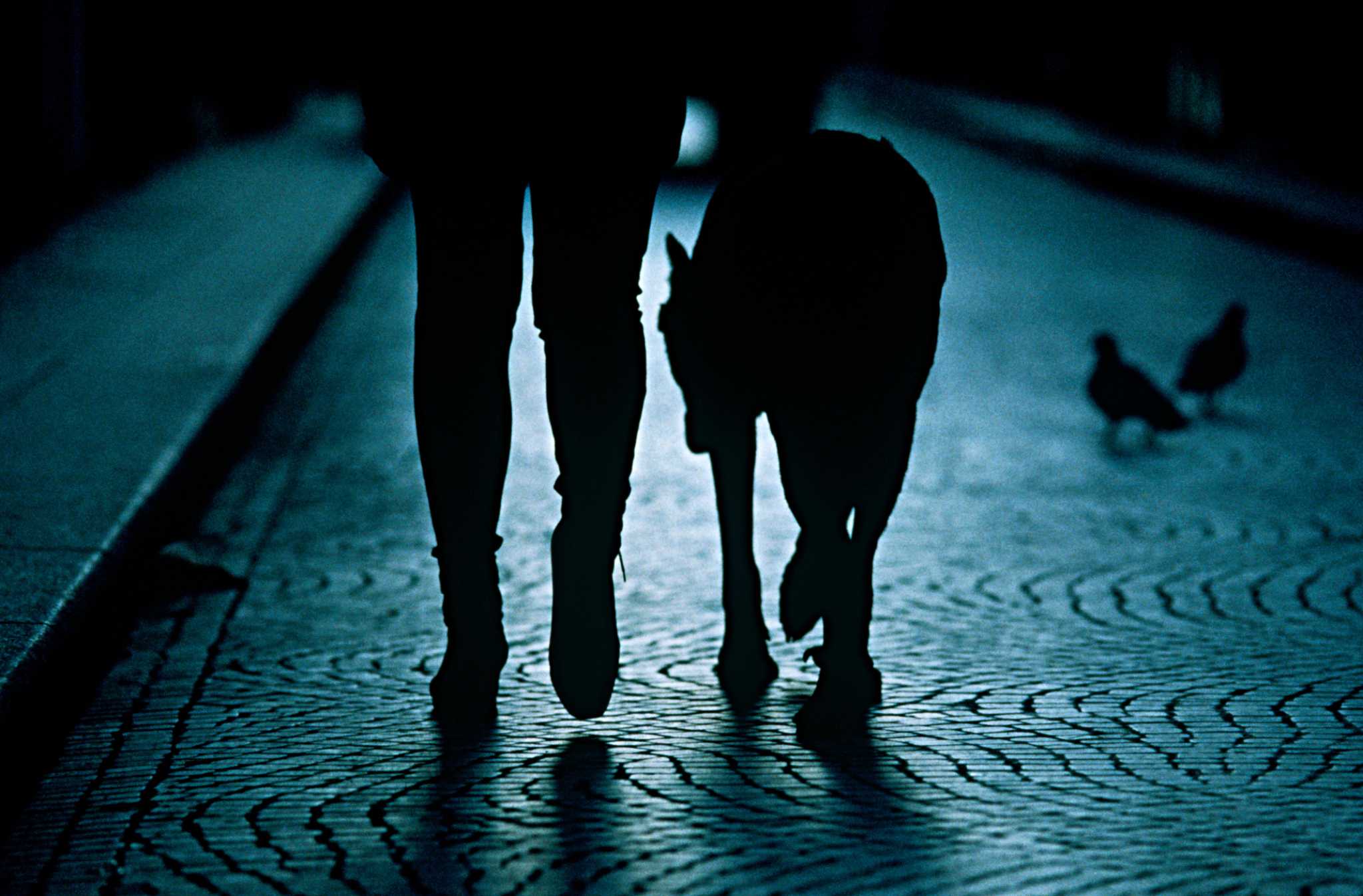
Dark mornings and evenings can make familiar routes more challenging. Reduced visibility increases the risk of traffic accidents, trips, lost dogs and unexpected encounters. With suitable equipment and a little planning, night-time walks can still be calm and enjoyable.
Why Visibility Matters
Drivers, cyclists and pedestrians may not see a dark-coated dog or owner until they are close. Reflective collars, leads, harnesses and coats make movement easier to notice. A torch or clip-on light can also help you see hazards and locate your dog.
Choose a Familiar, Well-Lit Route
Use pavements, parks and paths you already know well. Avoid routes with steep drops, deep water, heavy traffic or uneven ground when visibility is poor. If a route is unlit, consider walking it during daylight and choosing a safer alternative after dark.
Use Reflective Equipment
Reflective material works when light shines on it, while LED collars and clip-on lights can provide continuous visibility. Check that equipment is secure and does not restrict breathing or movement. Use reflective clothing or a high-visibility layer for yourself as well.
Carry a Torch and Charged Phone
A torch helps you spot broken glass, potholes, mud and other hazards. Keep your phone charged and carry emergency contact details. A spare lead and a small first-aid kit may also be useful on longer routes.
Be Safer Near Roads
Keep your dog on a short lead near roads, junctions, car parks and driveways. Stand between your dog and traffic where practical, and do not allow the lead to trail into the road. Cross only at suitable points and wait until you can clearly see approaching vehicles.
Check Identification Details
Your dog should have appropriate identification and current contact information. Check the tag regularly and ensure microchip details remain up to date. Identification is especially important if your dog slips its lead in the dark.
Watch for Seasonal Hazards
Night walks may coincide with fireworks, bonfires, icy paths, storms or increased wildlife activity. If your dog becomes frightened, shorten the walk and return home rather than forcing it to continue. Carrying a torch also makes it easier to avoid discarded food, litter and hazardous objects.
Use Extra Care on Woodland and Countryside Routes
Do not let your dog disappear into darkness or dense vegetation. Keep it close around livestock, water and steep edges, and follow any local restrictions. A long line can be difficult to manage safely at night, especially on shared paths.
Build a Simple Night-Walking Kit
A practical kit might include a torch, spare batteries or a charged light, reflective equipment, poo bags, treats, water, a spare lead and your phone. Keep everything together so you can leave without forgetting an essential item.
Know When to Skip the Walk
A short toilet break may be safer than a long walk during severe weather, poor visibility or local hazards. Mental enrichment at home can help replace part of the walk when conditions are unsuitable. Safety should come before distance.
What to Do If Your Dog Gets Lost
Stay in the area if it is safe, call calmly and use familiar sounds or treats. Contact nearby homes, the local dog warden, vets and relevant lost-pet services. Report the dog as missing and check identification records promptly.
Before We say Goodnight
Night-time walks need more preparation than daylight walks, but the basic principles are simple: stay visible, choose predictable routes, keep your dog close and carry equipment that helps you respond to problems.