

Your Dog’s Health: Vitamins, Minerals, Nutrition, Coat Care and Walks
Practical everyday advice on the nutrients dogs need, the food that helps them thrive, and how walks and simple care routines keep them feeling their best
Dogs are family, and most owners want to give them the same level of care they would give any loved one. Cute coats, special days out and birthday treats are lovely, but they mean little compared with the fundamentals: good healthcare, appropriate exercise and quality nutrition.
Even the best complete dog food can lose some nutrients during processing and storage. Different life stages and lifestyles also create different needs. Puppies, seniors, highly active dogs, couch potatoes, dogs with sensitive digestion or creaky joints all have their own requirements. One diet rarely covers every dog perfectly.
This is where a balanced approach comes in. Thoughtful food choices, the right support from vitamins and minerals when needed, attention to skin and coat, and consistent walking all work together. The aim is not to create a super-dog — it is simply to give them steady, practical support so they can feel comfortable and well day to day.
Always speak to your vet before adding any new supplement or making significant changes to your dog’s diet.
The vitamins and minerals dogs commonly benefit from
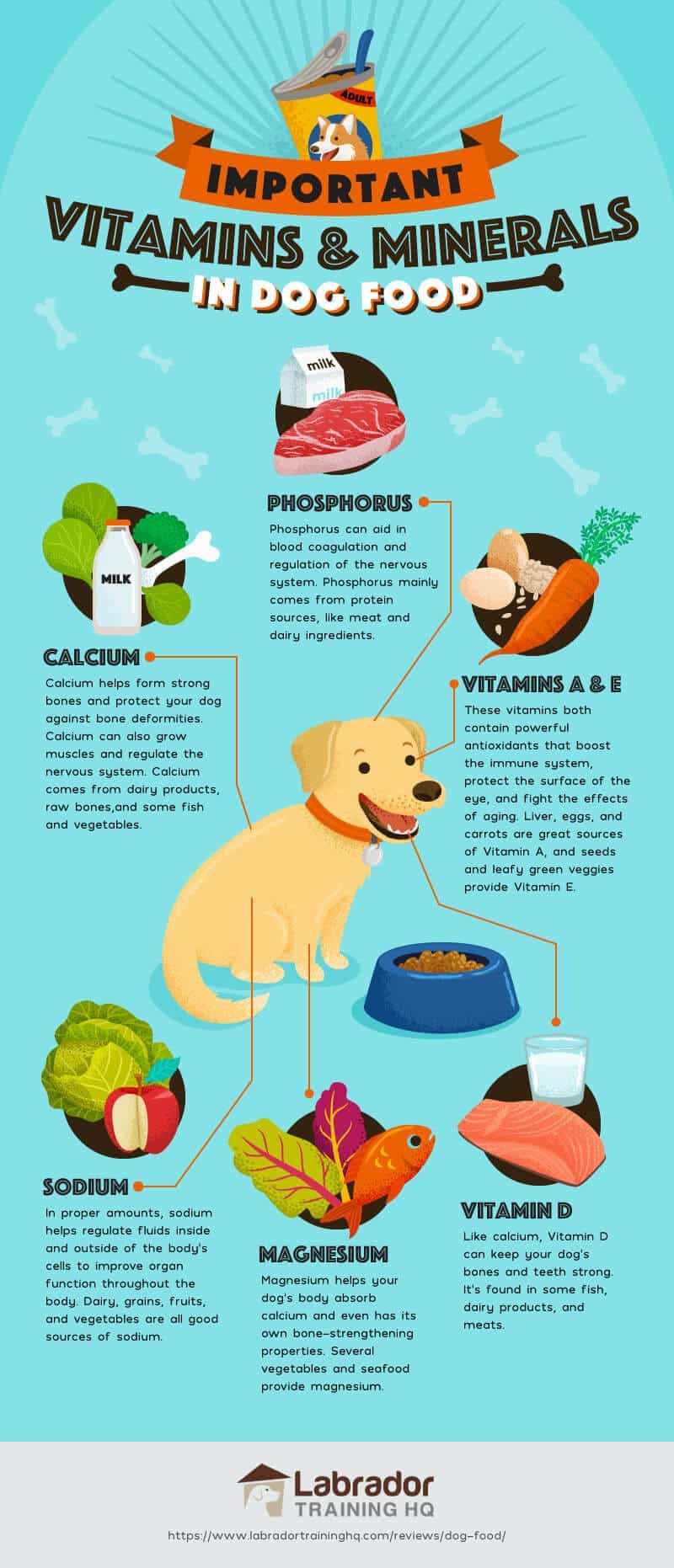
Dogs need a range of vitamins and minerals for everyday health. Some of the most useful categories include B vitamins for energy and skin, vitamin E and antioxidants for cell protection, omega-3 fatty acids for skin, coat, joints and heart, joint-supporting compounds such as glucosamine, probiotics for gut and immune health, and zinc for skin and coat quality. These are not magic fixes. They work best as quiet background support alongside a good diet and regular exercise.
- B vitamins – energy, nerves and skin
Vitamin E and antioxidants – cell protection
Omega-3 fatty acids – skin, coat, joints, heart
Joint support compounds – cartilage and comfort
Probiotics – gut and immune balance
Zinc and trace minerals – skin and coat
Food that best supports overall health
A high-quality complete dog food should form the foundation of every meal. Look for clear ingredient lists and appropriate protein levels for your dog’s life stage. Freshly prepared or gently cooked food can suit some dogs when properly balanced. Raw diets also work for certain dogs but need careful formulation. Consistency matters more than perfection. Transition slowly and consult a vet or qualified nutritionist if your dog has specific needs such as joint stiffness, itchy skin or a sensitive gut.
Skin and coat health
A shiny coat and comfortable skin are outward signs of good internal health. Omega-3 fatty acids help reduce inflammation and support the skin barrier. Zinc, biotin and vitamin E also play supporting roles. Regular gentle brushing, rinsing after muddy walks, and protecting paws from salt or hot pavements all help. Persistent itching or flaking should be checked by a vet rather than simply adding more supplements.
Why daily walks remain essential
No amount of vitamins can replace movement. Regular walks keep joints mobile, muscles strong, weight under control and minds occupied. Older dogs often do better with shorter, more frequent walks. Energetic dogs benefit from a mix of steady exercise and sniffing time. Walks also let you notice early changes such as stiffness or a dull coat so you can adjust care before bigger problems develop.
Putting it all together without overcomplicating things
Good dog care is the combination of a solid base diet, thoughtful extra support when it is genuinely needed, attention to skin and coat, and consistent enjoyable exercise. Supplements work best when they fill a clear gap. A young healthy dog on excellent food may need very little extra. A senior or a dog with recurrent skin issues may benefit more. Keep changes simple, introduce one thing at a time, and always check with your vet before starting any new supplement.