
The Quiet Power of a Good Dog Walk 🐾
Why a daily stroll is the best thing you can do for your dog, yourself, and your neighbourhood
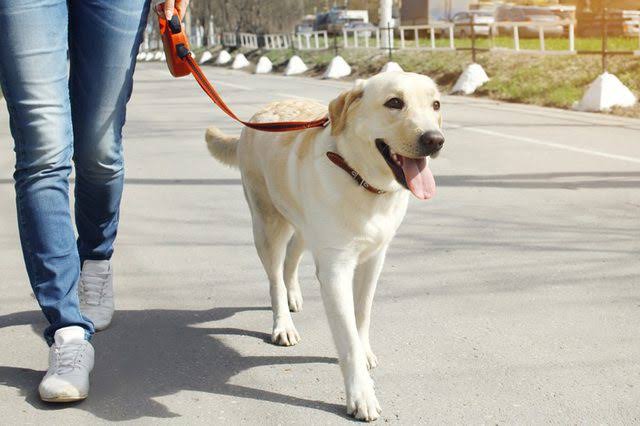
Every day, millions of leads are clipped to collars and front doors swing open. Dog walking is so ordinary it rarely gets a second thought, yet this simple daily ritual carries outsized benefits for the dog, the owner, and the wider community.
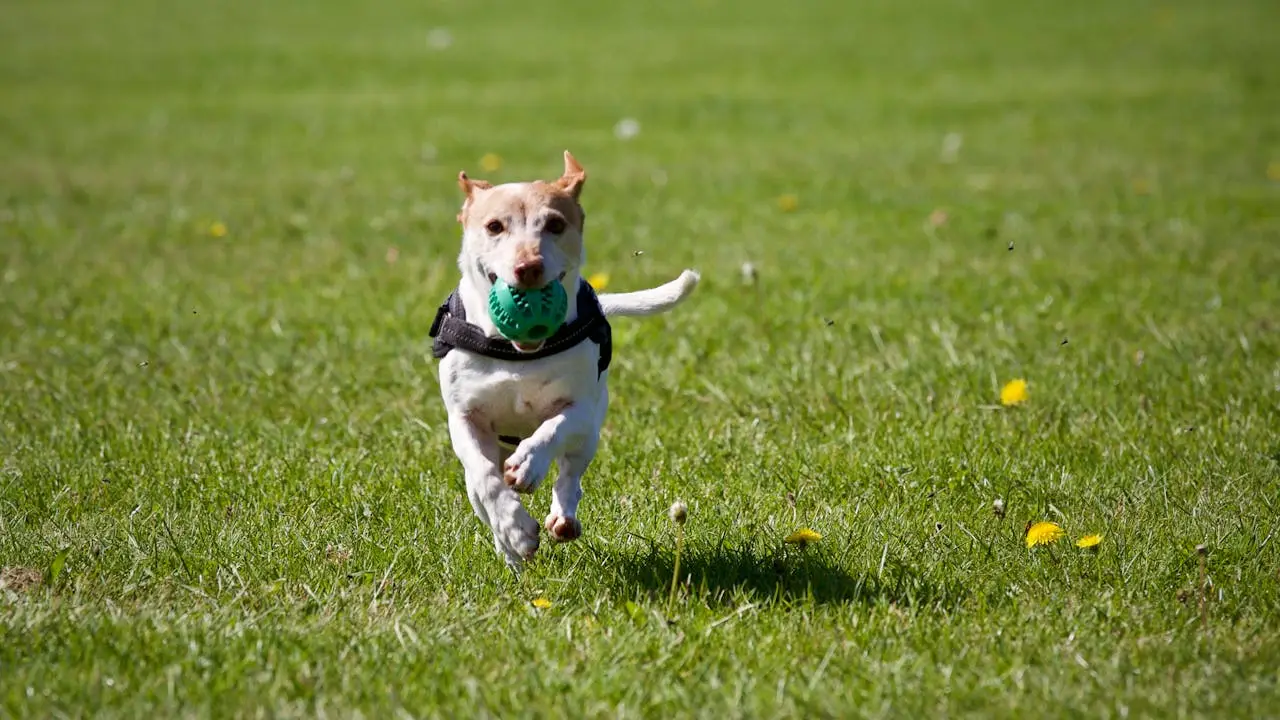
🐶 For the Dog
A walk is far more than a toilet break. Dogs are naturally active and curious animals, and regular walking satisfies deep-seated needs for movement, mental stimulation, and scent-based exploration. Sniffing a lamppost or investigating a hedge might look trivial, but it is how dogs read their neighbourhood newspaper.
Dogs walked regularly tend to be leaner, calmer at home, and less prone to destructive behaviours born from boredom or pent-up energy. The physical exercise supports joint health, cardiovascular fitness, and digestion.
🧑 For the Owner
Owners reap rewards just as substantial. A consistent walking routine builds cardiovascular endurance, strengthens muscles, and helps maintain a healthy weight. Time outdoors lowers cortisol levels and has been linked to reduced anxiety and depression.
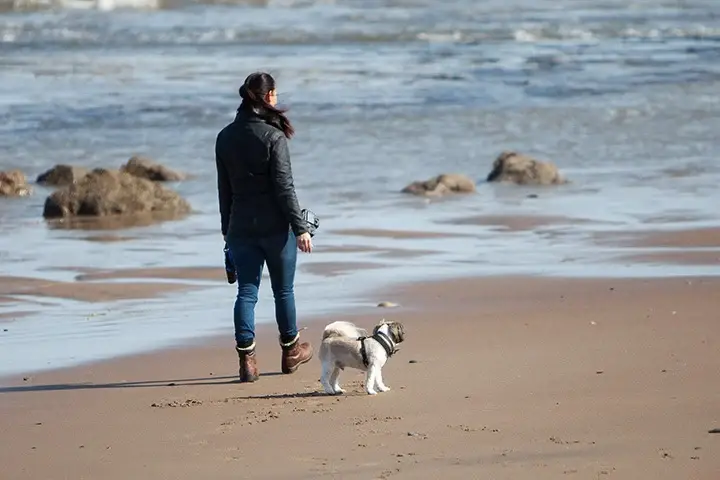
There is also the unspoken contract of commitment — having a dog that depends on you gets people out the door on days when motivation otherwise would not. Many owners find their daily walk becomes a rare pocket of mental space in an otherwise busy schedule.
- Lower stress and blood pressure
- Improved cardiovascular health
- Better sleep quality
- Consistent daily structure and routine
🏘️ For Everyone Else
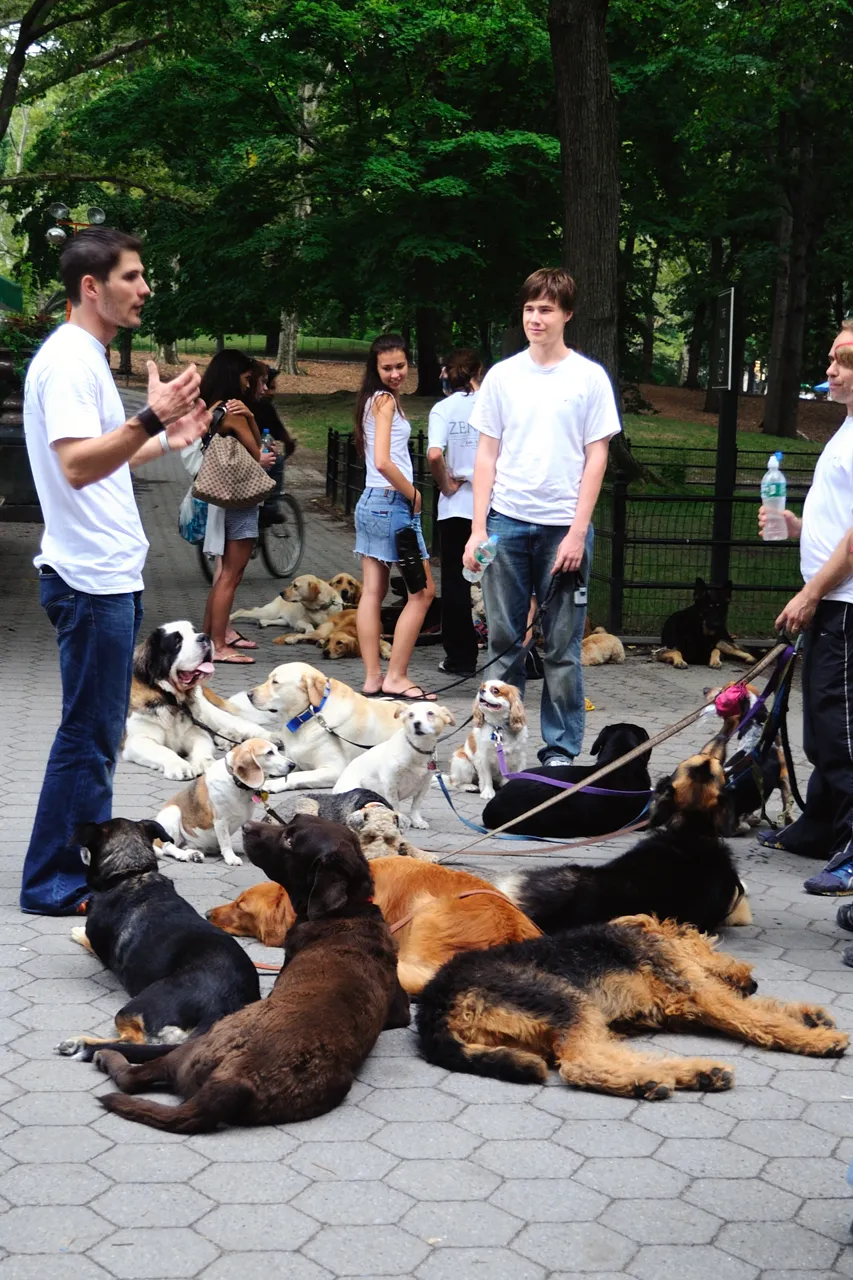
The benefits ripple outward. Dog walkers are among the most consistent users of parks and green spaces, which helps justify their maintenance and funding. Walking creates casual but meaningful social contact — a brief chat at the park gate, a familiar face on the same morning route — that strengthens neighbourhood ties.
Research suggests that visible, regular presence on streets contributes to a sense of community safety. Well-exercised dogs are also better socialised, meaning fewer incidents and more comfortable interactions with other people and animals.
🐾 The Bottom Line
A lead, a pair of shoes, and half an hour a day. The returns are quietly remarkable — for your dog, for you, and for the people around you.