
Travelling With Dogs in the UK
Taking your dog on a UK break can be a brilliant way to explore somewhere new together. Whether you are heading across town, travelling by train to the coast or planning a flight abroad, a little preparation makes the journey calmer and safer for everyone. Check each transport provider and accommodation’s rules before booking, as policies can vary by operator and location.
Plan Before You Leave
Pack your dog’s lead, collar tag, poo bags, food, water, collapsible bowl, bedding, medication and a familiar toy or blanket. Make sure their microchip details and ID tag are up to date. Build in toilet breaks and choose routes with green space nearby, particularly for longer journeys. It is also worth helping your dog practise short trips first if they are new to buses, trains or busy places.
Local Transport
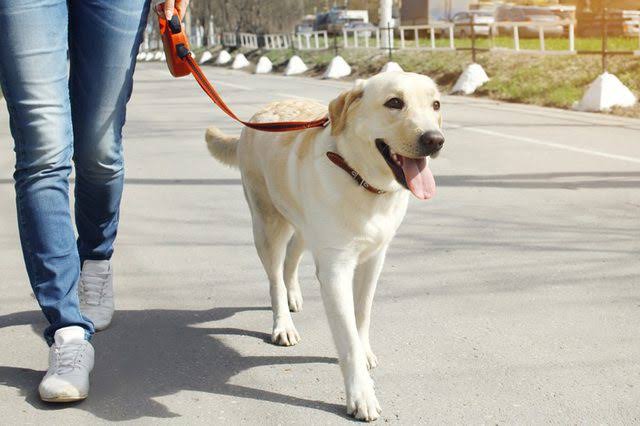
Rules for dogs on local buses, trams and city transport depend on the operator, so check before travelling. In London, dogs are welcome on TfL buses, the Tube, trams, DLR, London Overground and the Elizabeth line, provided they are under control on a lead or kept in a suitable carrier. They cannot sit on seats. Use lifts or stairs where possible; if you must use an escalator, carry your dog unless they are an assistance dog trained to use one.
Travelling by Train
National Rail generally allows up to two dogs or other small domestic animals to travel free with each passenger. Dogs should remain on a lead throughout the journey and station, and they must stay off seats. Non-assistance dogs are normally not allowed in buffet or restaurant cars, so check the train company’s policy when booking. Choose a quieter service where possible, keep your dog close to your feet and avoid blocking aisles or doorways.

Coaches and Longer Routes
Long-distance coach travel is more restrictive than rail travel. National Express welcomes highly trained assistance dogs and assistance animals, but ordinary pet dogs are not included in its standard policy. If you need to make a long journey with a pet dog, rail, a dog-friendly taxi service or driving may be more suitable. For an assistance dog, contact the coach provider ahead of time so suitable seating and space can be arranged.
Travelling by Car
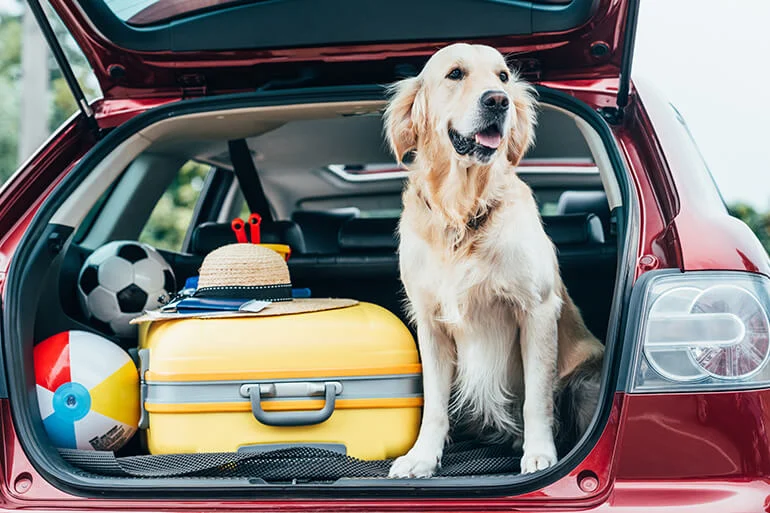
A car is often the easiest option for many dogs, but safety still matters. Use a properly fitted travel harness, secured crate or boot guard so your dog cannot move around the vehicle or distract the driver. Stop regularly for water, toilet breaks and a short stretch. Never leave a dog alone in a parked car, even for a few minutes, as temperatures can rise dangerously fast.
Flying With Your Dog
Most airlines do not carry pet dogs in the cabin on UK routes, and rules differ widely for pets travelling in the hold or as cargo. Always contact the airline before booking and ask about crate requirements, breed restrictions, temperatures and airport procedures. Recognised assistance dogs must be accepted in the cabin free of charge, although advance notice, suitable documentation and a safety harness may be required.
Going Abroad
International travel requires more planning. Dogs travelling from Great Britain to the EU generally need a microchip, a valid rabies vaccination and an Animal Health Certificate; GB residents should not rely on an EU pet passport. Some destinations also require tapeworm treatment. For return travel to Great Britain from most countries, the treatment must be given by a vet between 24 and 120 hours before arrival. Check the official requirements early, as paperwork and vaccination timing are important.

Booking Dog-Friendly Hotels
“Dog-friendly” can mean different things at different hotels. Some properties welcome dogs only in selected rooms, charge a nightly fee, limit the number or size of dogs, or prohibit dogs from being left alone in bedrooms. Before paying, contact the hotel directly and ask about the current pet policy, any extra charges, nearby walking areas and where dogs are permitted on site. Get the details confirmed in writing where possible.
Hotel Etiquette
Bring your dog’s own bedding or a blanket to help them settle, and keep them on a lead in shared areas unless staff say otherwise. Clean up promptly, avoid letting your dog bark or scratch at doors, and do not allow them on hotel furniture unless it is specifically permitted. If your dog becomes anxious when left alone, arrange dog-friendly activities rather than leaving them in the room. A considerate stay helps keep hotels welcoming to dogs in future.
Make the Journey Enjoyable
The best trips are paced around your dog’s needs. Allow extra time, offer regular water, watch for signs of stress and give them a calm place to settle. With the correct planning, travelling with your dog can turn a simple journey into a memorable shared adventure.