

How to Buy a Puppy Responsibly
Bringing home a puppy is exciting, but it is also a decision that deserves time, research and care. Whether the puppy comes from a professional breeder, a family friend or someone advertising an unexpected litter, the same welfare checks apply. A responsible seller puts the puppy’s health and future home first; an irresponsible one may prioritise a quick sale. This guide explains what to look for, which credentials to check and when it is best to walk away.
Start With the Right Questions
Ask why the litter was bred, how old the puppies are, how many litters the mother has had and whether the parents have known health or behaviour issues. A good breeder or owner should be open, knowledgeable and interested in your home, routine and experience with dogs. They should want to know that their puppy is going to a suitable, lifelong home—not simply accept payment from the first person who asks.
Always Meet Mum and the Litter
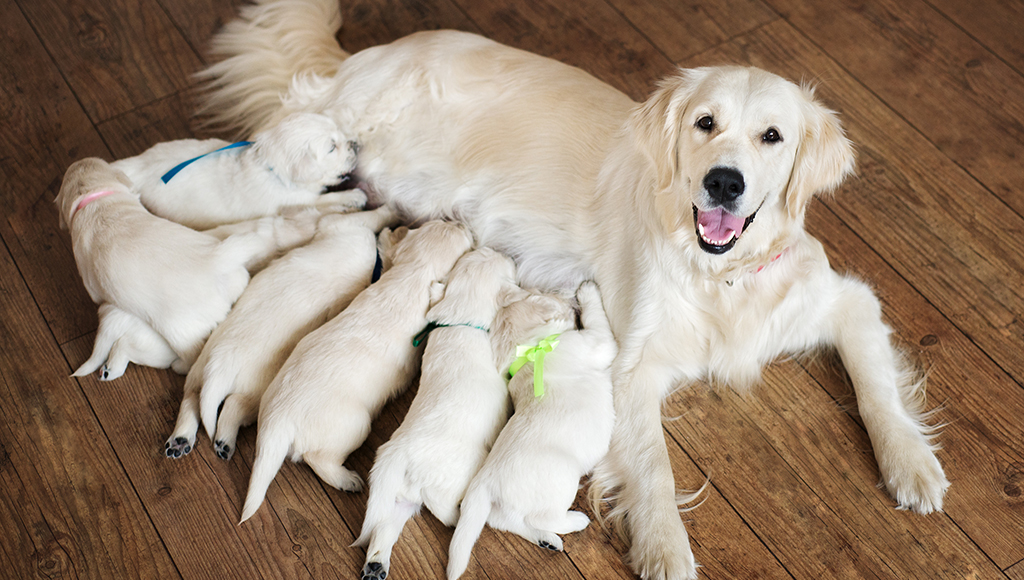
Visit the puppy where it was born and raised, ideally more than once. You should see the puppy with its mother and littermates in a clean, safe and comfortable home environment. Mum should look well cared for and should seem relaxed around the puppies. If the seller says she is at the vet, out on a walk or unavailable, do not accept the explanation. A puppy that cannot be seen with its mother may not have been bred at that location.
Check the Puppy’s Age
Never take home, buy or agree to collect a puppy younger than eight weeks old. Puppies need this early time with their mother and littermates to develop physically and learn important social skills. In the UK, responsible sellers will not separate a puppy early, regardless of whether they are a business breeder or a family dealing with an accidental litter.
Look for Health and Welfare Evidence
Ask to see genuine records for microchipping, flea and worming treatment, vaccinations where age-appropriate, veterinary checks and any health tests relevant to the breed. The puppy should be bright, alert and comfortable around people, with clean eyes, ears and skin. A responsible breeder will explain any health history honestly and provide documents for you to take home. They should also give clear feeding, training and socialisation advice.
Understand Breeder Credentials
Kennel Club registration alone does not guarantee that a puppy is healthy or responsibly bred. Instead, ask what breed-specific health tests have been carried out on both parents, and request the certificates or verify the results where possible. The Kennel Club Assured Breeder scheme is one positive sign: members agree to follow breeding practices and are inspected, while health-test information is highlighted through its Find a Puppy service. It is still sensible to carry out your own checks and visit in person.
Check Licensing Where Required
In England, a person who breeds dogs as a business and advertises them for sale, or breeds three or more litters in a 12-month period and sells puppies, needs a local authority dog-breeding licence. A legitimate business breeder should display their licence number in online adverts, and you can check that number with the relevant council. Licensing is useful, but it should support—not replace—your own visit and questions.
Be Cautious With Online Adverts
Research the advert before making contact. Search the phone number, wording and photographs online to see whether they appear in multiple listings. Several breeds available at once, copied descriptions, vague information, unusually low prices and terms such as “teacup” can all be warning signs. Do not let a cute photograph, a “puppy pack” or an offer of free insurance persuade you that a seller is legitimate.
Never Pay Under Pressure
Do not send a deposit before you have visited the puppy, met the mother and checked the environment. A responsible seller will give you time to decide and will not pressure you with claims that another buyer is waiting or that you must pay immediately. Use a written contract that records the puppy’s details, the seller’s details, health information and the agreed price. Keep copies of every message, advert, receipt and piece of paperwork.
Red Flags That Mean Walk Away
Do not go ahead if the seller offers to meet in a car park, service station or public place, delivers the puppy to you, refuses home visits or prevents you seeing mum and the litter together. Walk away if a puppy is under eight weeks old, not microchipped, visibly unwell, dirty, frightened, or if the seller cannot show reliable health and treatment records. Never buy a puppy because you feel sorry for it; paying can fund further poor breeding and illegal puppy dealing.
Buying From Family or Friends
A puppy from someone you know still needs the same careful approach. Ask to visit the litter at home, meet mum, confirm the puppies’ age and review microchip and health records. Family and friends may have bred an unplanned litter rather than operating as professional breeders, but they must still prioritise the puppies’ welfare and prepare them appropriately for new homes. Being familiar with the seller should never replace sensible checks.
Choose With Confidence, Not Urgency
The right puppy and responsible seller are worth waiting for. If anything makes you uncomfortable, pause, seek advice and walk away. A careful decision at the beginning helps give your puppy the best chance of a healthy, secure and happy life with your family.