
Tips for Walking Your Dog in Hot Weather
Hot weather can make even a familiar dog walk risky. Dogs do not cool themselves as efficiently as people, so exercise, warm air and hot ground can quickly lead to overheating or heatstroke. The safest approach is to adjust your routine rather than trying to keep to a normal walking schedule.
When It Is Safer to Walk
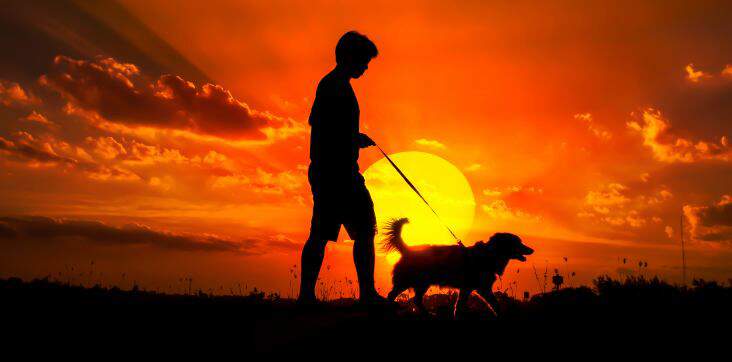
Choose the coolest part of the day, usually early morning or later in the evening. The sun is lower, pavements have had more time to cool, and your dog is less likely to become overheated. Avoid running, cycling or encouraging high-energy play when temperatures are high.
Keep walks shorter and slower than usual. Let your dog stop to sniff, rest and drink. Take a portable bowl or water bottle, look for shaded routes, and choose grass, woodland paths or other cooler surfaces where possible.
Before leaving, check the pavement or tarmac with the back of your hand. If you cannot comfortably keep your hand on it for around five seconds, it is too hot for your dog’s paws. Sand, artificial grass, concrete and asphalt can all become dangerously hot in sunshine.
When You Should Skip the Walk
Do not walk your dog during the hottest part of the day, particularly in direct sunshine, humid weather or places with little shade such as open fields and beaches. There is no single temperature that is safe for every dog: the risk depends on their breed, age, size, health, fitness and coat. If you are unsure, it is better to leave the walk until conditions improve.
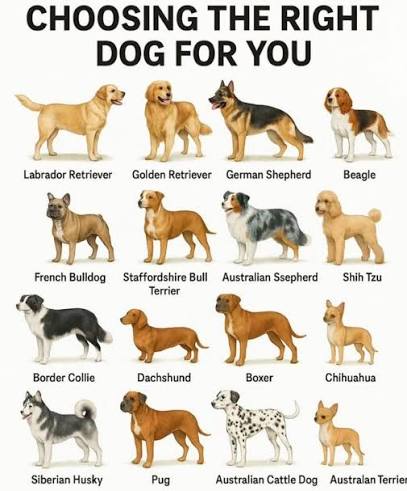
Some dogs need extra caution in warm weather. This includes flat-faced breeds, such as Pugs, French Bulldogs and English Bulldogs, as well as elderly dogs, puppies, overweight dogs, dogs with thick coats, unwell dogs and those with heart or breathing problems. For these dogs, missing a walk on a very hot day can be the safest decision.
A missed outdoor walk does not mean your dog has to be bored. Offer calm indoor enrichment instead, such as scent games, a food puzzle, short training sessions or a chew. Keep fresh water available and provide a cool, shaded place to rest.
Signs of Overheating
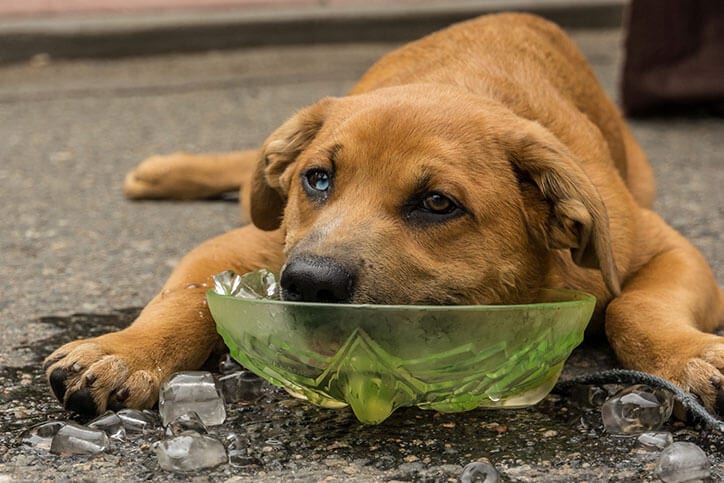
Stop immediately if your dog is panting heavily, drooling excessively, slowing down, refusing to move, seeming confused or weak, vomiting, developing bright-red gums, or collapsing. These can be signs of heatstroke, which is a life-threatening emergency. Move your dog into shade or a cool indoor area, begin cooling them with cold tap water while keeping water away from their nose and mouth, and offer a drink without forcing it. Contact a vet urgently, even if your dog appears to recover.
A Simple Rule
Hot-weather walks should be about comfort and safety, not distance. Walk at dawn or dusk, stay in the shade, keep the route short, carry water and avoid hot surfaces. When conditions feel questionable, choose indoor activities and try again when it is cooler.